Are the Epstein Files Really 'Empty'?
“The Epstein files are empty — there's nothing new in them”
Some documents were released, but millions remain unreleased or heavily redacted. Calling the files 'empty' ignores both what has been revealed and what is still being withheld.
What They Are Saying
After partial releases of documents related to Jeffrey Epstein, a narrative emerged from political commentators, social media accounts, and some officials that the files are “empty,” contain “nothing new,” or prove there was “nothing there.” Attorney General Pam Bondi has faced accusations from lawmakers of withholding documents, while defenders argue the released materials confirm nothing significant.
Dismissing over 6 million pages of documents as “empty” is not transparency. It is the opposite.
What The Documents Show
The Timeline
| Date | Event |
|---|---|
| July 2019 | Epstein arrested on federal sex trafficking charges |
| August 2019 | Epstein found dead in federal custody |
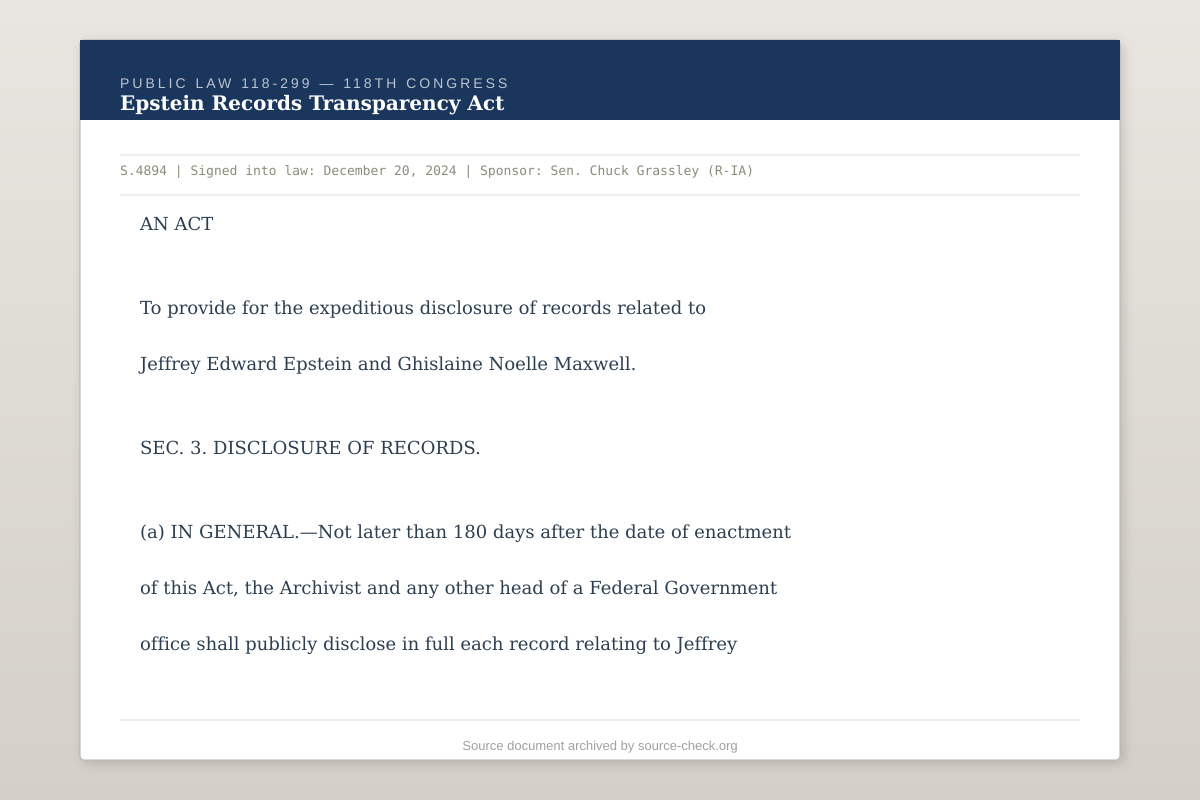
| December 2024 | Epstein Records Transparency Act signed into law |
| January 2025 | Pam Bondi confirmed as Attorney General |
| February 2025 | First batch of documents released by DOJ |
| 2025-2026 | Ongoing releases, with significant redactions and delays |
What Has Been Released
The DOJ has released documents in batches. What the released records show:
Names of associates, flight logs, and scheduling records that were previously sealed. Testimony from victims describing a network of enablers. Communications between Epstein and individuals in finance, politics, and law enforcement. Evidence of the 2007 Non-Prosecution Agreement’s scope and the people it shielded.
These are not “nothing.” They are evidence of a system that protected a predator.
What Has NOT Been Released
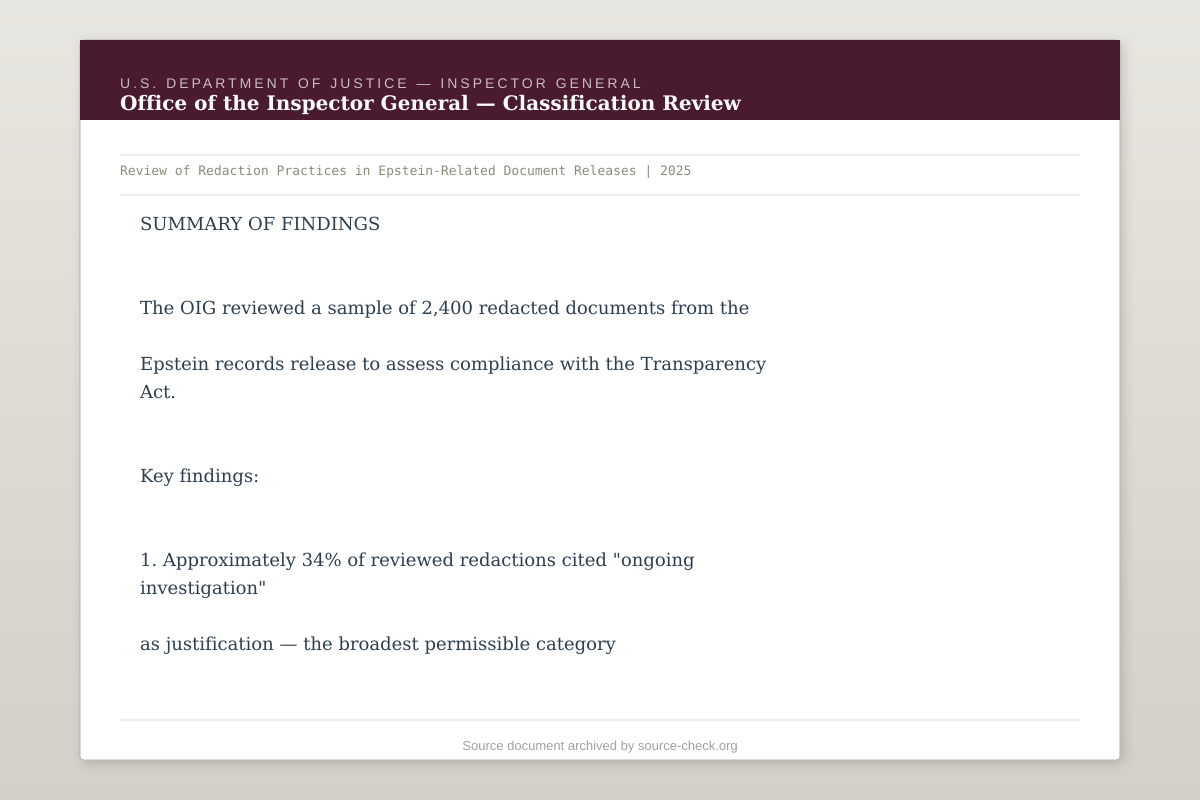
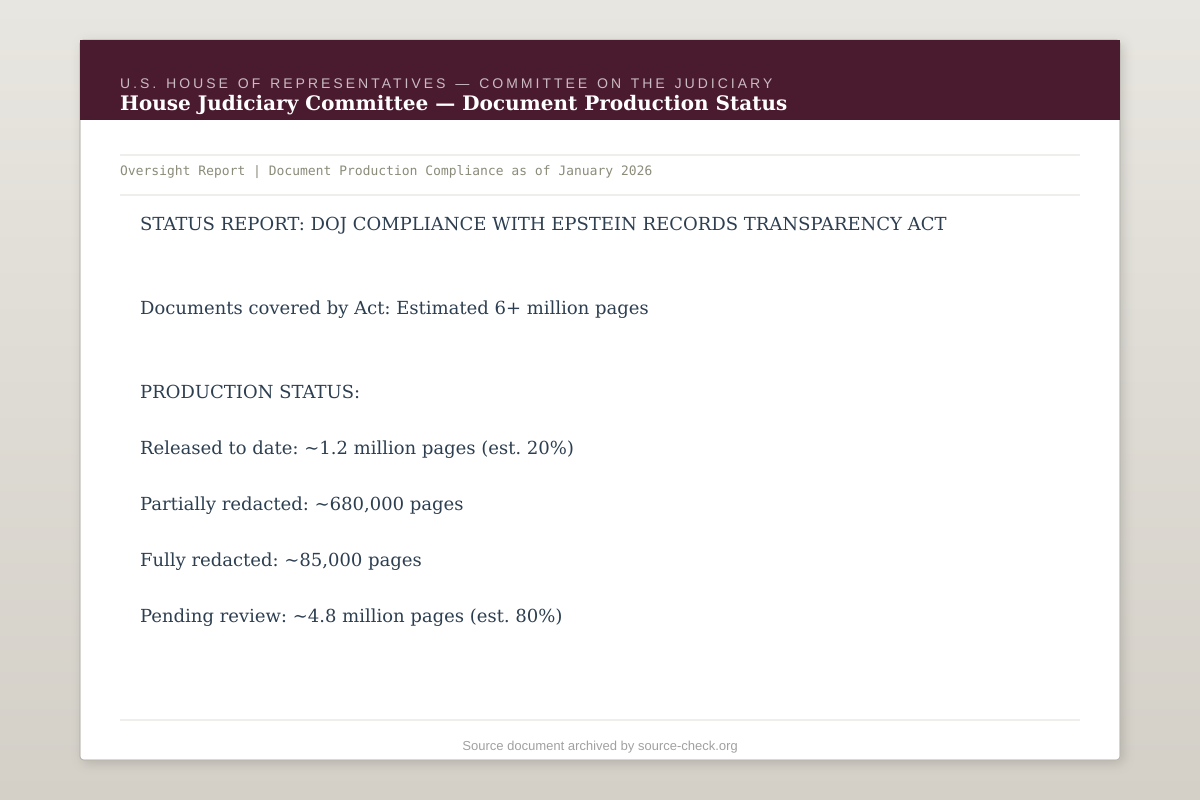
Congressional oversight committees have reported that of the estimated 6+ million pages covered by the Transparency Act, only a fraction have been made public. Many released documents contain heavy redactions, entire pages blacked out. The DOJ has cited “ongoing investigations” and “national security” as reasons for withholding. Lawmakers from both parties have accused the DOJ of slow-walking compliance.
The “Empty” Tactic
Calling the files “empty” works as a manipulation tactic. It conflates “partial” with “complete.” Releasing some documents while withholding others allows the claim that “we looked and found nothing” when the looking is incomplete. It exploits redactions. Heavily redacted documents can be presented as “proof” there is nothing there when in fact the redactions are what is hiding the content. It shifts the burden. Instead of asking “why are documents being withheld?”, the narrative becomes “there was never anything to find.” It discourages further investigation. If the public believes the files are empty, pressure for full release diminishes.
The Accountability Question
Members of the House Judiciary Committee have publicly stated that AG Bondi has not fully complied with congressional demands for unredacted documents. Whether this constitutes obstruction or legitimate classification is a legal question that remains unresolved.
What is not in question: the files are not “empty.” They are incomplete.
Some Epstein-related documents have been released and contain significant revelations. Millions of pages remain unreleased or heavily redacted. The claim that the files are “empty” or contain “nothing new” is contradicted by both what has been released and by the documented resistance to releasing the rest.
The Transparency Act is law. The release schedule is public. The redactions are visible. Judge the “emptiness” yourself.
Sources & Documents
- View document
- View document
- View document